Ideas for families that fly together.
Short, plain-language reads on chores, routines, rewards, and the mental load. Written by the team that builds budgii, for the families who run one.
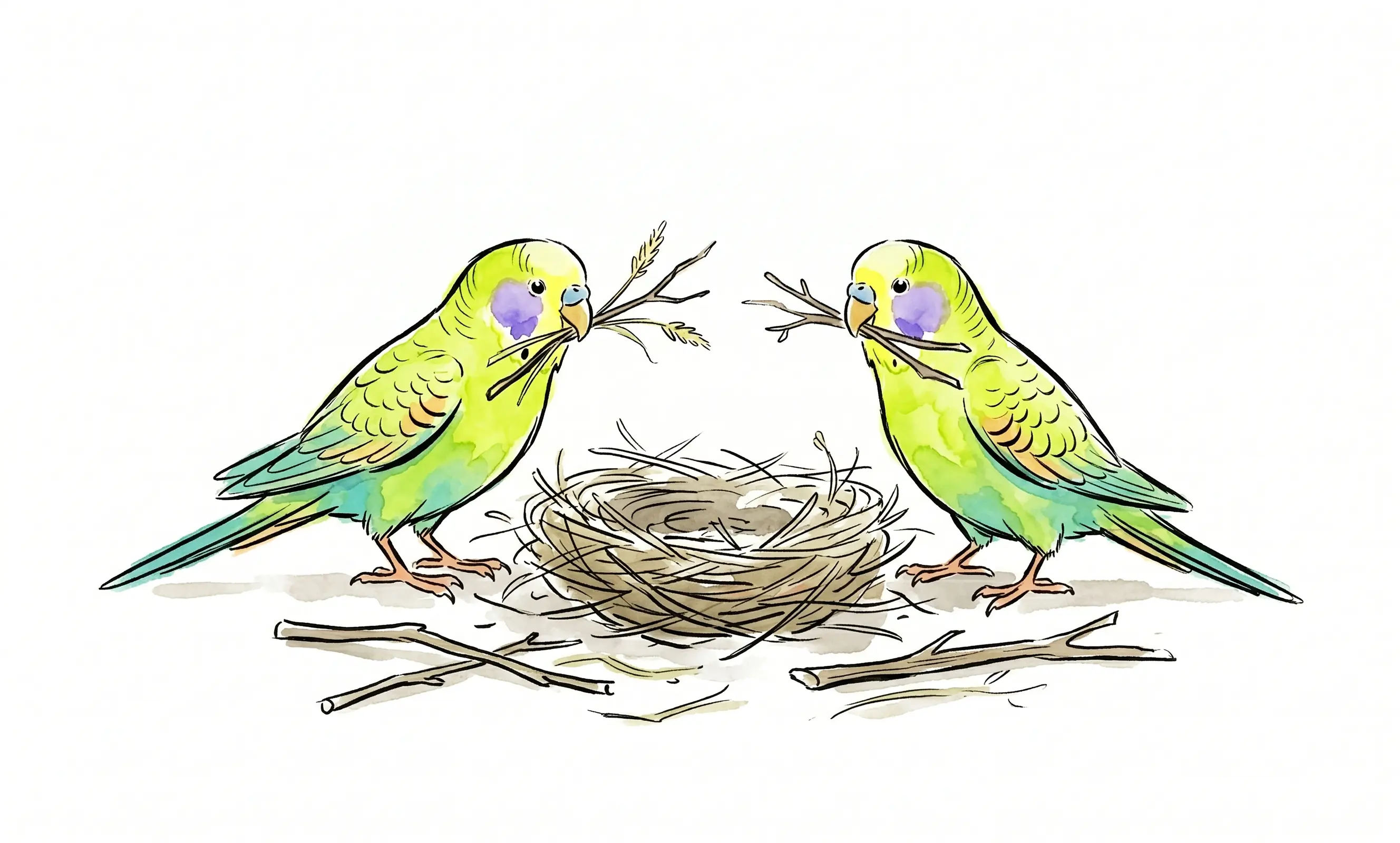
How to share the mental load with your partner (and make it stick)
A practical guide to redistributing the invisible household labour that one partner usually carries alone. How to move beyond asking for help and build systems that actually share the cognitive load.
Read article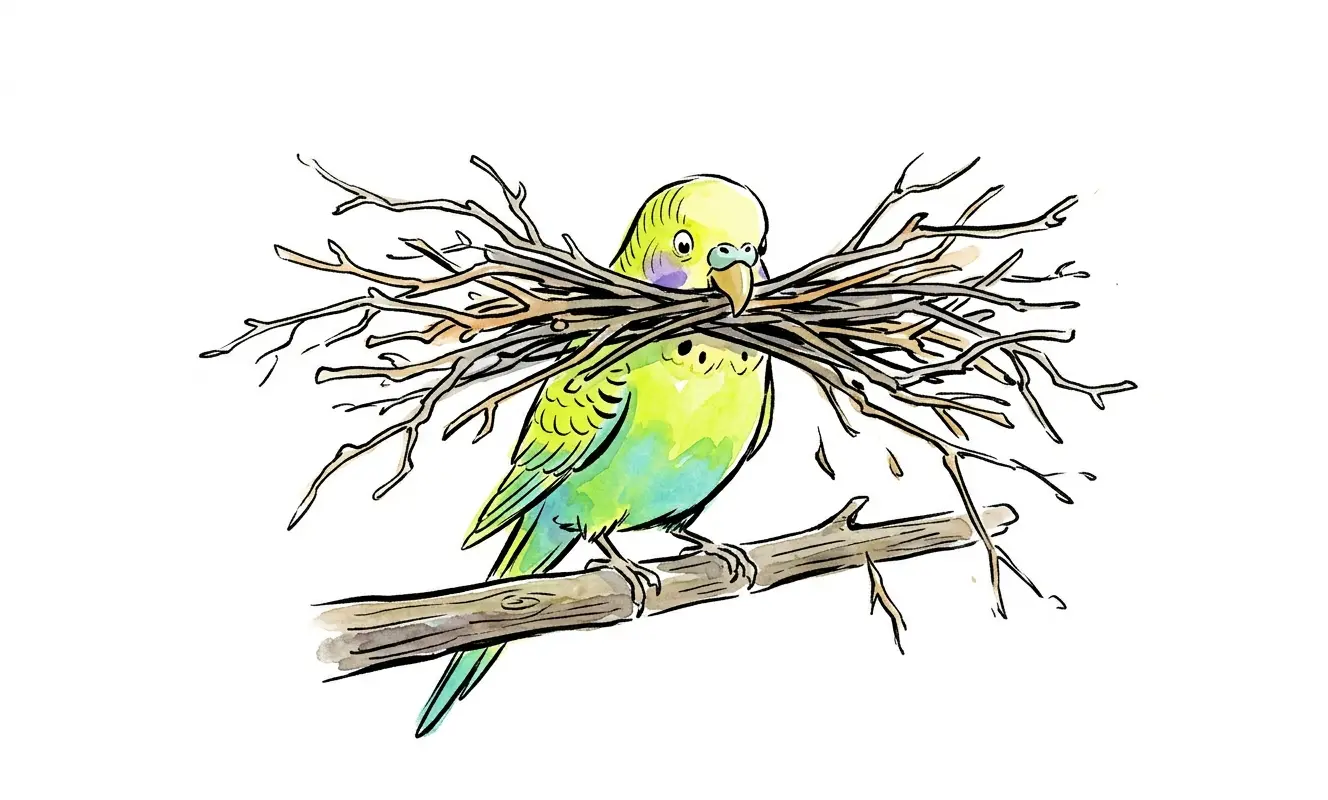
The mental load of running a family: what it is and how to share it
One adult in most households carries the invisible weight of knowing everything. Here's what the mental load actually is, why it builds up, and what genuinely helps distribute it.
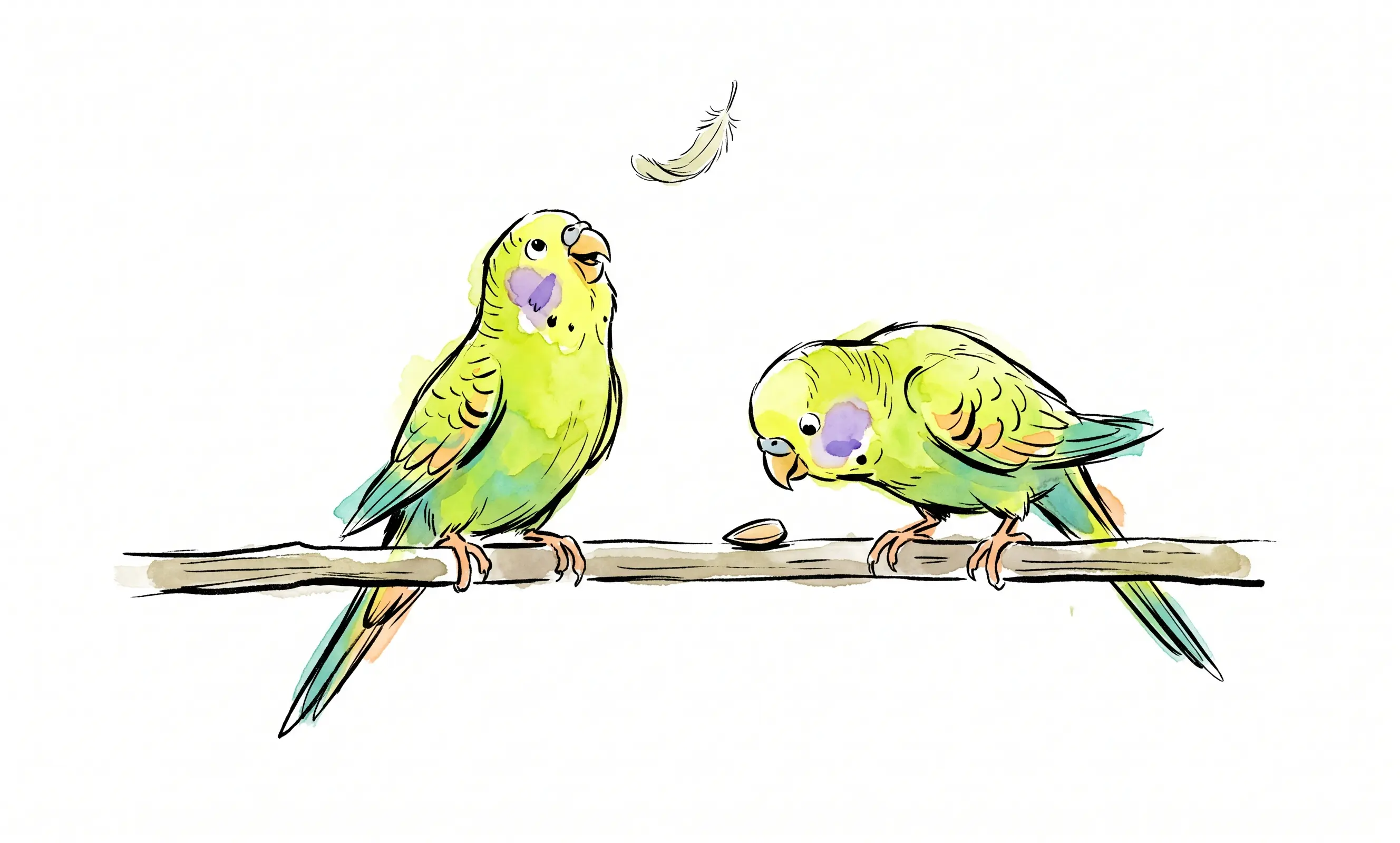
Praise vs rewards: what actually motivates kids long-term
A research-backed look at how to motivate children without bribing them. The difference between praise, rewards, and recognition, and why the best systems use all three.
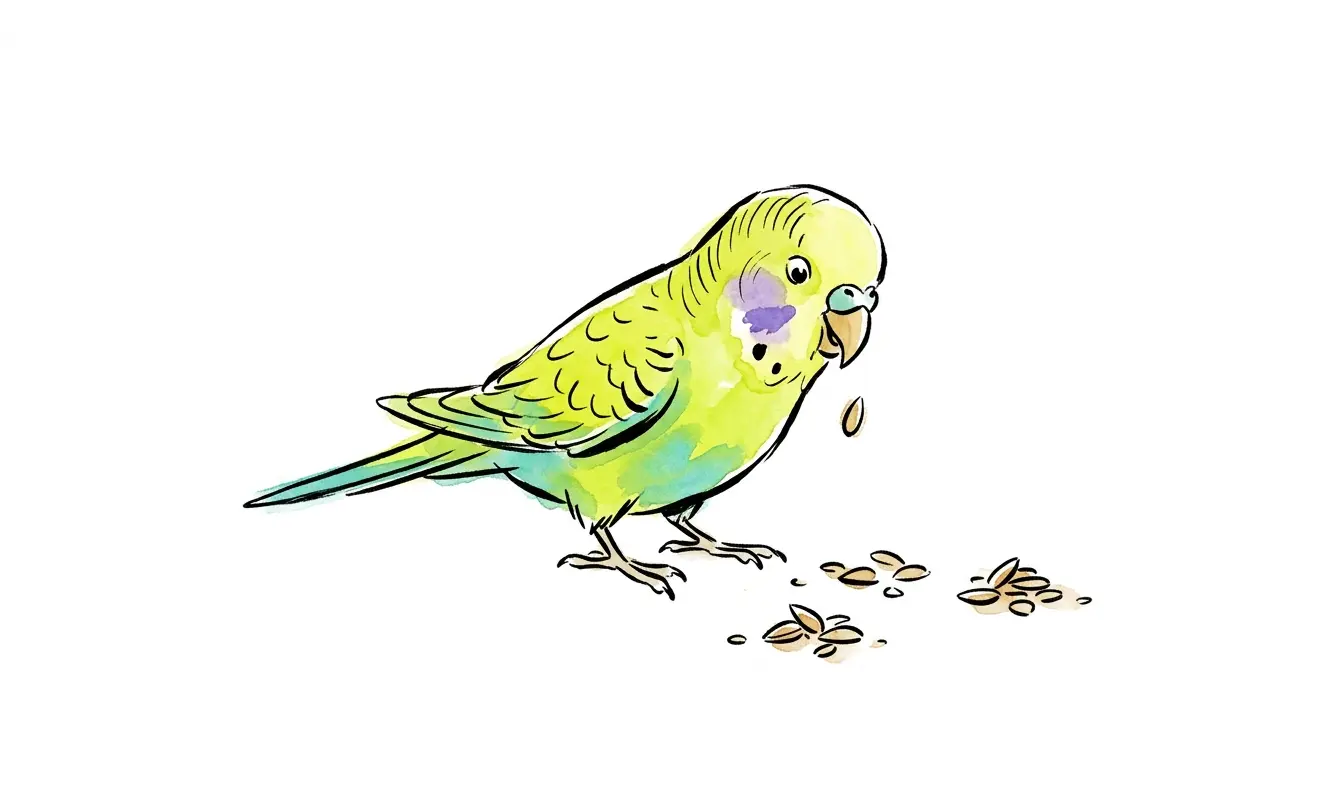
Pocket money for kids: how to make it actually teach something
A practical guide to pocket money for kids that moves beyond a flat weekly allowance. Learn what amount to give, when to tie it to chores, and how to raise financially capable children.
Running a household across two homes: how to stay on the same page
Split custody, blended families, and shared care arrangements all face the same challenge: keeping everyone informed without one person becoming the go-between.
What your child's chore habits say about how they're growing
Chore completion isn't just about a tidy house. The patterns in how children show up at home reveal real signals about their developing responsibility, independence, and resilience.
Screen time, chores, and finding the balance that works
Should kids earn screen time by doing chores? There's a better approach that teaches effort without making screens the only thing worth working for.
How to create a family routine that everyone can follow
A routine only works if the whole household can see it and stick to it. Here's how to build one that doesn't fall apart after the first busy week.
Morning routines for kids that don't start with shouting
A practical guide to designing a school morning routine that actually works. What kids should own, what parents should own, and how to remove the daily negotiation.
How to build a reward system for kids that actually lasts
Most reward systems fail after two weeks. Here's why, and how to build one that sustains effort, teaches patience, and keeps children genuinely engaged.
Teaching kids responsibility: small habits that stick
Responsibility isn't taught through lectures. It's built through consistent small moments where effort is visible, recognised, and part of how the household runs.
Why kids stop doing chores after two weeks (and what to change)
The initial excitement fades fast. Here's what's actually happening when kids lose interest in chores, and the structural changes that bring them back.
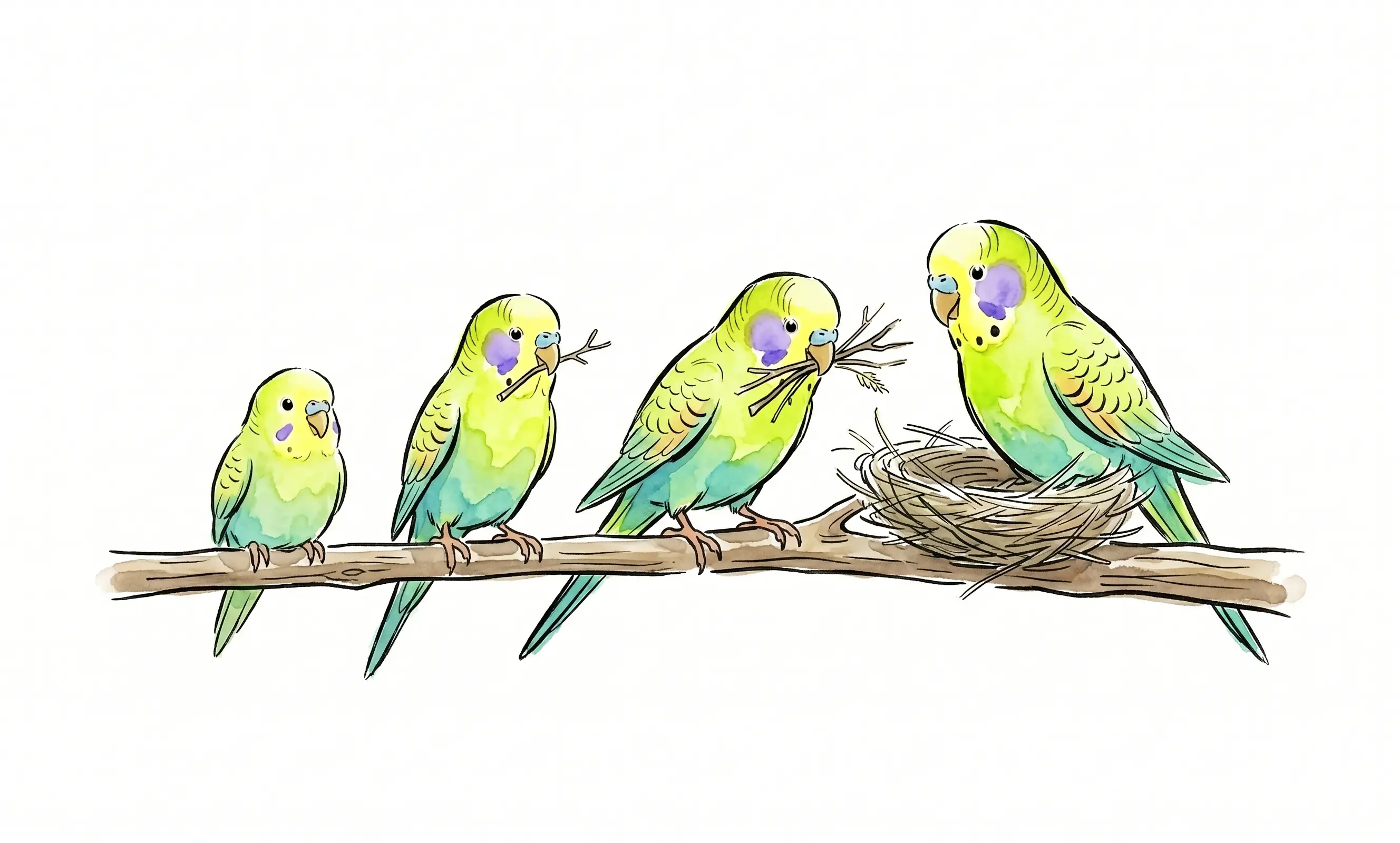
Age-appropriate chores for kids: a practical guide by age group
A clear breakdown of what children can realistically handle at every stage, from five to twelve, and why matching the task to the child matters more than the task itself.